
Tagged: china
Shogun
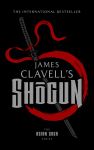
Shogun by James Clavell, 3/5
This 1300-page monster of a hardback novel weighs almost 4lbs, and anyone who thinks it’s weird to dwell on a book’s physical dimensions in a book review has clearly not been been physically traumatized, as I have, by attempting to read it in bed every night! I am only partially joking; the book’s unwieldiness gives a palpable presence to the author’s leisurely writing style, which often makes it seem as if scenes were occurring in real time and not in the pages of a novel. As far as plot, well it’s got a lot. A lot of politics, religion, drama, and unacknowledged historical inspiration. There were a few chapters that dragged, but overall, I felt surprisingly engaged by the story, despite its obscene length and last-minute reliance on a deus ex machina of sorts. The detailed portrayal of 17th-century Japanese culture, written by a European making no claims to historical accuracy, seems problematic to me (I doubt something like this could be written nowadays without causing controversy), but surprisingly, there seem to be no complaints. While I am impressed by the author’s confidence and stamina, I found the length of the book to be a bit self-indulgent and would prefer to read a true account of the historical events portrayed in this novel.
Why I read it: When the first season of the 2024 TV show based on this book ended, I was left wanting more.
American Shaolin
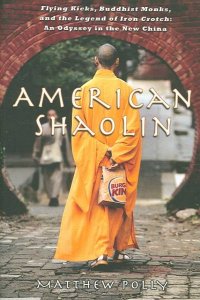 American Shaolin: Flying Kicks, Buddhist Monks, and the Legend of Iron Crotch: An Odyssey in the New China by Matthew Polly, 3/5
This memoir of an American college dropout who transforms from bullied to badass by studying kung fu with Shaolin monks in China is a fun read, if a little bit less interesting, less believable and dirtier than the author’s later book Tapped Out.
[Why I read it: I enjoyed the author’s other book a lot.]
Tao Te Ching
Tao Te Ching by Lao Tzu, 3/5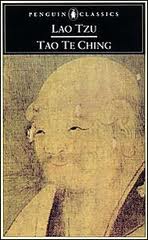
This work presents an interesting worldview that focuses on survival: advising people to avoid action, desire, ambition, confrontation and intellectualism. The tone is bleak, but fascinating, and it offers some very good insights into human behavior. While shorter than Confucius’ Analects, it is also less accessible. Much of the content is obscure and very difficult to understand, however, an enjoyable aura of ancientness surrounds even the unintelligible bits.
 OmniRambles